This guide is for education and does not diagnose, prevent, treat or cure disease. Speak with a qualified healthcare professional about your circumstances, medicines or supplements.
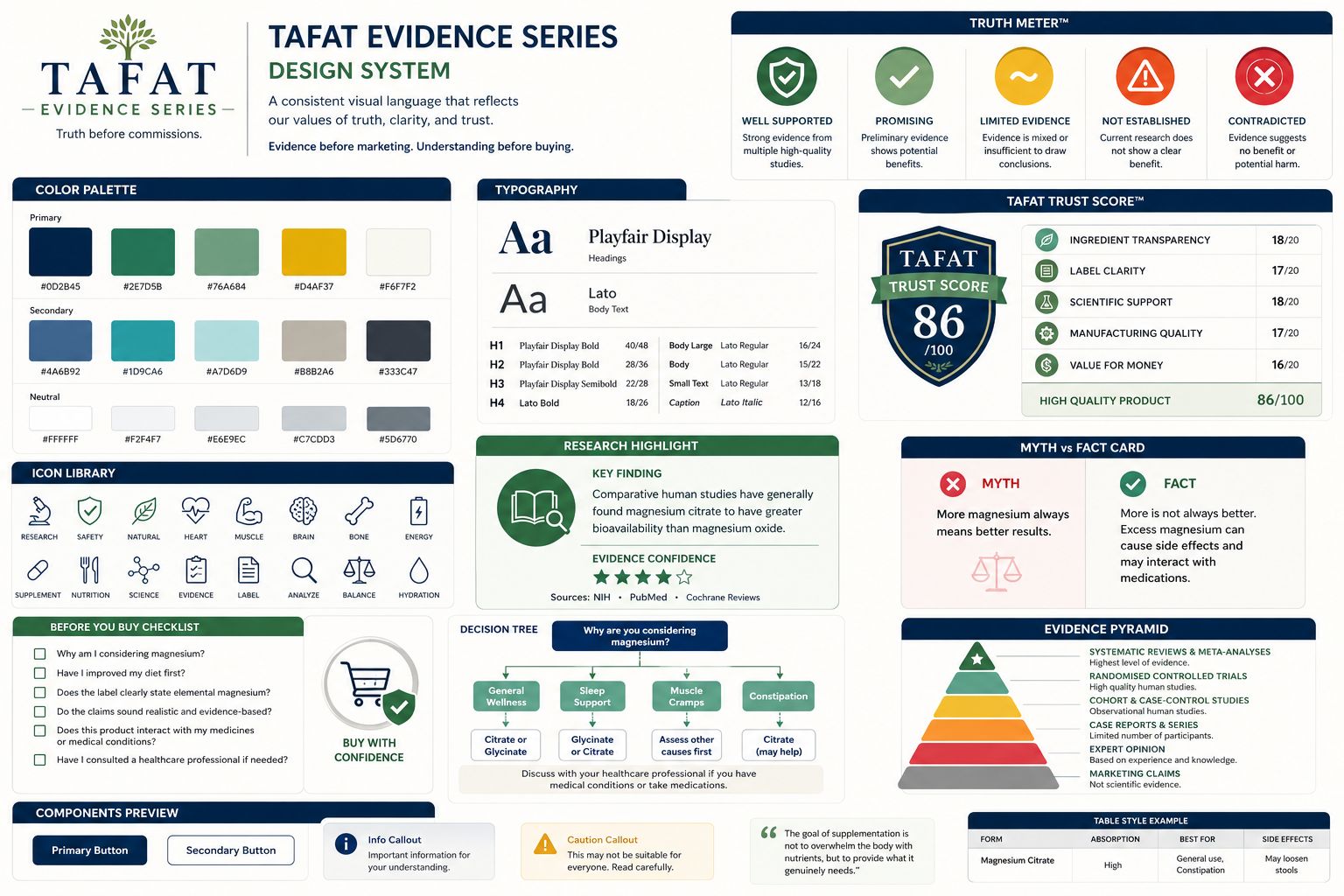
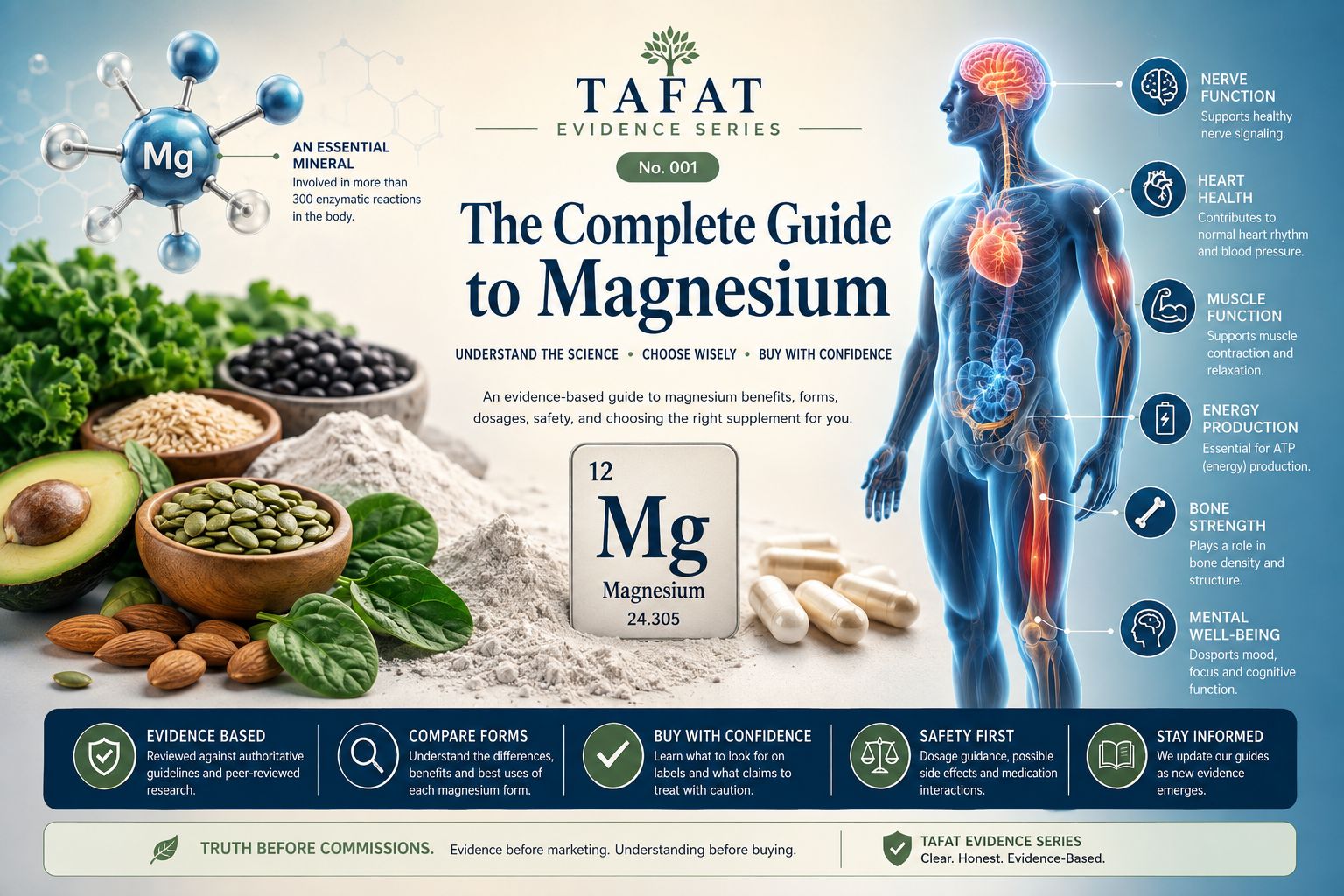
What Is Magnesium and Why Does It Matter?
“The quiet mineral that helps keep the body working.”
Walk into any pharmacy and you will probably find an entire shelf devoted to magnesium supplements. Every bottle seems to promise something different. Better sleep. More energy. Less stress. Stronger muscles. Healthier bones. It is easy to wonder whether magnesium is truly that remarkable or whether clever marketing has simply discovered another way to sell supplements. The truth lies somewhere between those two extremes. Magnesium is not a miracle nutrient. It is something far more important. It is essential. Your body cannot manufacture magnesium on its own. Every day it depends on the magnesium you obtain from food, or when appropriate, from supplements. Without it, hundreds of normal biological processes cannot function as they should. Unlike nutrients that receive constant attention, magnesium quietly works behind the scenes. You rarely notice it when everything is functioning normally. Yet it plays a role in nearly every system that keeps you alive.
Why Magnesium Matters
Magnesium contributes to many normal functions in the human body, including:
- Normal muscle function
- Healthy nerve signaling
- Energy production within cells
- Bone health
- Normal heart rhythm
- Protein synthesis
- Blood glucose regulation
- DNA and RNA production
Scientists estimate that magnesium acts as a co factor in more than 300 enzymatic reactions, making it one of the body’s most important minerals. Rather than doing one spectacular job, magnesium performs hundreds of small ones, every minute of every day.
Where Is Magnesium Found?
About 50 to 60 percent of the body’s magnesium is stored in bone. Most of the remaining magnesium is found inside muscles, soft tissues, and other cells throughout the body. Only a very small percentage circulates in the bloodstream, which is one reason a normal blood magnesium level does not always reflect total body magnesium stores. This is also why diagnosing magnesium deficiency is more complex than many people realize.
Food Comes First
For most healthy people, the best source of magnesium is still food. Excellent dietary sources include:
Food Naturally Rich in Magnesium Pumpkin seeds
★★★★★
Almonds
★★★★☆
Cashews
★★★★☆
Spinach
★★★★☆
Black beans
★★★★☆
Lentils
★★★☆☆
Whole grains
★★★☆☆
Dark chocolate (high cocoa)
★★★☆☆
Avocados
★★★☆☆
A balanced diet often provides substantial amounts of magnesium without the need for supplements. Supplements may be useful in certain situations, but they should complement, not replace, a nutritious eating pattern.
Why Do So Many Different Magnesium Supplements Exist?
One of the biggest misconceptions is that every magnesium supplement is the same. They are not. When you read labels such as magnesium citrate, magnesium glycinate, or magnesium oxide, the first word remains the same because each contains magnesium. The second word describes the substance attached to the magnesium molecule. That attached compound influences characteristics such as:
- How well the supplement dissolves
- How much magnesium may be absorbed
- How it affects the digestive system
- The amount of elemental magnesium it contains
- Its intended use
Understanding those differences is far more useful than simply buying the most expensive bottle on the shelf.
Magnesium Is Not One Product
Imagine magnesium as the engine of a car. The different forms are simply different vehicles carrying that engine. Some vehicles are better suited for long journeys. Others are designed for heavy loads. Some are efficient. Others are less so. The engine remains magnesium, but the way it is delivered changes. That is why choosing a supplement should begin with your needs rather than marketing claims.
What the Evidence Says
Modern research strongly supports magnesium’s importance as an essential mineral. However, the evidence is not equally strong for every health claim made about magnesium supplements. Some uses are backed by decades of research. Others remain promising but require further high-quality clinical studies. Throughout this guide, we will clearly distinguish between:
- Well-supported evidence
- Promising but limited evidence
- Claims that currently exceed the available research
That distinction is central to TAFAT’s approach. We believe informed readers deserve to know not only what research suggests, but also how confident scientists are in those conclusions.
TAFAT Research Highlight
Well Supported Magnesium is recognized as an essential mineral involved in hundreds of enzymatic reactions throughout the human body. Its importance for normal muscle function, nerve function, bone health, and energy metabolism is supported by decades of physiological research and reflected in guidance from major health authorities.
Before We Continue
If there is one idea worth remembering from this first chapter, it is this: Magnesium is not remarkable because it promises extraordinary results. It is remarkable because life quietly depends on it every single day. Understanding that foundation will make every discussion that follows about magnesium forms, absorption, dosages, and supplementation far easier to understand.
Up Next
Session Two: How Much Magnesium Do You Really Need?
We will explore recommended daily intakes, who may need more, when supplementation may be appropriate, and why more is not always better.
References
- National Institutes of Health, Office of Dietary Supplements. Magnesium Fact Sheet for Health Professionals.
- European Food Safety Authority (EFSA). Scientific opinions on dietary reference values for magnesium.
- Institute of Medicine. Dietary Reference Intakes for Calcium, Phosphorus, Magnesium, Vitamin D and Fluoride.
- Schuette SA, Lashner BA, Janghorbani M. Bioavailability of magnesium diglycinate vs magnesium oxide in patients with ileal resection. Journal of Parenteral and Enteral Nutrition.
- Gröber U, Schmidt J, Kisters K. Magnesium in Prevention and Therapy. Nutrients.
How Much Magnesium Do You Really Need?
How Much Magnesium Do You Really Need?
“More isn’t always better.”
One of the biggest misconceptions surrounding supplements is the belief that if a little is good, then more must be better. With magnesium, that simply isn’t true. Your body requires enough magnesium to carry out its many functions, but taking large amounts does not automatically provide greater benefits. In fact, excessive supplementation can cause digestive problems and, in some situations, become dangerous. The goal is not to consume the most magnesium. The goal is to consume the right amount.
Daily Magnesium Requirements
The Recommended Dietary Allowance (RDA) varies according to age and sex.
Group Recommended Daily Intake
Men (19 to 30 years)
400 mg
Men (31 years and older)
420 mg
Women (19 to 30 years)
310 mg
Women (31 years and older)
320 mg
Pregnancy
350 to 360 mg
Breastfeeding
310 to 320 mg
These values include magnesium obtained from food and supplements combined. For many healthy adults, eating a varied diet rich in vegetables, legumes, nuts, seeds and whole grains provides a substantial portion of these daily needs.
Elemental Magnesium Matters
One of the most confusing aspects of buying magnesium supplements is the number printed on the bottle.
A product may advertise:
Magnesium 500 mg
That does not necessarily mean you are receiving 500 mg of magnesium. Most supplements contain magnesium attached to another compound. Only part of that total weight is actual elemental magnesium, which is the portion your body uses. Always check the Supplement Facts panel for: Elemental Magnesium rather than relying only on the large number displayed on the front label.
Why Food Should Still Come First
Magnesium-rich foods offer much more than magnesium alone.
They also provide:
- Fiber
- Potassium
- Healthy fats
- Plant compounds
- Vitamins
- Trace minerals
These nutrients work together in ways that supplements cannot fully replicate. Supplements are designed to supplement a healthy diet, not replace one.
Can You Get Too Much Magnesium?
Magnesium obtained naturally from food is generally not considered harmful for healthy individuals because the kidneys efficiently remove excess amounts. Supplemental magnesium is different. Taking large doses may cause:
- Diarrhea
- Abdominal cramping
- Nausea
- Digestive discomfort
Very high intakes, particularly in people with impaired kidney function, may lead to magnesium accumulation, which requires medical attention.
Who Might Benefit From Supplementation?
A magnesium supplement may be appropriate for some people, depending on their diet, health status and medical advice. Examples include individuals who:
- Consume very little magnesium-rich food
- Have certain gastrointestinal disorders that reduce absorption
- Take medications that affect magnesium levels
- Have medically confirmed magnesium deficiency
However, supplementation should be based on individual needs rather than assumptions.
What About Modern Diets?
Many articles claim that modern farming has removed magnesium from our food and that almost everyone is deficient. The evidence is more nuanced. Some dietary surveys suggest many people consume less magnesium than recommended, particularly in populations eating highly processed diets. However, this does not automatically mean that everyone is clinically deficient or requires supplementation. The healthiest approach is to improve dietary quality first and then consider supplements when appropriate.
Magnesium From Food
Here are some excellent natural sources. Food Approximate Magnesium:
Pumpkin seeds (30 g)
~150 mg
Almonds (30 g)
~80 mg
Spinach (½ cup cooked)
~75 mg
Black beans (½ cup)
~60 mg
Cashews (30 g)
~75 mg
Dark chocolate (30 g, 70–85% cocoa)
~65 mg
Avocado (1 medium)
~60 mg
These values vary slightly depending on preparation and food source.
TAFAT Research Highlight
Well Supported Population studies consistently show that many adults consume less magnesium than recommended through diet alone. Improving dietary quality remains the preferred first strategy before considering supplementation.
Myth or Fact?
“If I’m tired, I must need magnesium.”
Fatigue has many possible causes, including poor sleep, iron deficiency, thyroid disorders, stress, infections, medication effects and numerous medical conditions. Magnesium deficiency is only one possible explanation and should not be assumed without considering the broader picture.
Before You Buy
Before purchasing any magnesium supplement, ask yourself these four questions:
✓ Am I regularly eating magnesium-rich foods?
✓ Do I know how much elemental magnesium the supplement provides?
✓ Am I choosing a form that matches my reason for taking it?
✓ Have I discussed supplementation with a healthcare professional if I have kidney disease, digestive disorders or take prescription medicines?
A few thoughtful questions can often prevent an expensive purchase that may not be necessary.
The amount of magnesium you need is surprisingly modest. The challenge is not finding the highest dose. It is choosing the right amount, from the right source, for the right reason. That foundation prepares us for the most important chapter in this guide. Because once you understand how much magnesium you need, the next question naturally follows:
Which form should you choose?
Coming Next
Session Three
Magnesium Glycinate vs Citrate vs Oxide vs Malate vs L-Threonate
A detailed, evidence-based comparison of the five most popular forms, including absorption, common uses, digestive effects, elemental magnesium content, and what current research actually supports.
References
- National Institutes of Health, Office of Dietary Supplements. Magnesium Fact Sheet for Health Professionals.
- European Food Safety Authority (EFSA). Dietary Reference Values for Magnesium.
- National Academy of Medicine. Dietary Reference Intakes.
- World Health Organization. Nutrition guidance on healthy dietary patterns.
- Gröber U, Schmidt J, Kisters K. Magnesium in Prevention and Therapy. Nutrients.
Magnesium Glycinate vs Citrate vs Oxide vs Malate vs L-Threonate
“Understanding the differences before you buy.”
Walk down the supplement aisle and you will quickly notice that magnesium is sold under many different names.
- Magnesium glycinate.
- Magnesium citrate.
- Magnesium oxide.
- Magnesium malate.
- Magnesium L-threonate.
It is easy to assume that manufacturers simply use different names for the same ingredient. In reality, each form combines magnesium with a different compound. That pairing affects how the supplement behaves, how well it dissolves, how much elemental magnesium it contains, how the digestive system responds, and, in some cases, what researchers are studying it for. This does not mean one form is universally superior. It means each form has strengths and limitations. Understanding those differences is the key to choosing wisely.
At a Glance Comparison
Magnesium Glycinate
Bio availabilityHigh
Common Reason People Choose ItGentle supplementation
Digestive EffectUsually well tolerated
EvidenceGood
Magnesium Citrate
Bio availabilityHigh
Common Reason People Choose ItGeneral supplementation, constipation
Digestive EffectMay loosen stools
EvidenceStrong
Magnesium Oxide
Bio availabilityLower
Common Reason People Choose ItHigh elemental magnesium, lower cost
Digestive EffectMore likely to cause diarrhea
EvidenceModerate
Magnesium Malate
Bio availabilityModerate to High
Common Reason People Choose ItGeneral supplementation
Digestive EffectUsually well tolerated
EvidenceLimited
Magnesium L-Threonate
Bio availabilityEmerging
Common Reason People Choose ItCognitive research
Digestive EffectGenerally well tolerated
EvidenceEarly
Magnesium Glycinate
What Is It?
Magnesium glycinate combines magnesium with the amino acid glycine. Because glycine is well absorbed, this form is generally considered one of the more bio available magnesium supplements. It is also less likely than some other forms to cause digestive upset.
What Does the Research Say?
Magnesium glycinate is frequently recommended for people who want a gentle supplement. However, many websites confidently state that it is the best magnesium for sleep or anxiety. Current evidence does not fully support that level of certainty. Some studies suggest magnesium supplementation may help certain people with sleep quality or symptoms related to magnesium deficiency, but there is not enough high-quality evidence to conclude that glycinate is uniquely superior to other well-absorbed forms. It is commonly marketed and selected for sleep.
Truth Meter™
🟡 Promising
Well absorbed and generally well tolerated. Claims that it is unquestionably the best choice for sleep remain stronger than the current evidence.
Magnesium Citrate
What Is It?
Magnesium citrate combines magnesium with citric acid. It is one of the most widely studied magnesium supplements and is often recommended because it is absorbed relatively well.
What Does the Research Say?
Comparative studies generally show magnesium citrate is more bio available than magnesium oxide. It is also commonly used as an osmotic laxative because it draws water into the bowel. For this reason, some people experience loose stools, especially at higher doses.
Best Suited For
Truth Meter™
🟢 Well Supported
- General magnesium supplementation
- Individuals who also experience occasional constipation
Among the better-supported forms for routine supplementation.
Magnesium Oxide
What Is It?
Magnesium oxide contains a relatively high proportion of elemental magnesium. At first glance, this makes it appear attractive because the number printed on the label is often higher than other forms. Unfortunately, the story is more complicated.
What Does the Research Say?
Although magnesium oxide contains more elemental magnesium by weight, it dissolves less readily in the digestive tract and is generally less bio available than citrate. It is also more likely to cause gastrointestinal discomfort. Lower cost does not necessarily translate into better value.
Truth Meter™
🟡 Moderate Evidence
Useful in some situations, but generally less well absorbed than citrate.
Magnesium Malate
What Is It?
Magnesium malate combines magnesium with malic acid, a naturally occurring compound involved in cellular energy production.
What Does the Research Say?
Many advertisements claim malate is the best magnesium for energy and chronic fatigue. Current scientific evidence does not strongly support those claims. Research remains limited, and larger clinical trials are still needed.
Truth Meter™
🟠 Limited Evidence
Interesting theory. Insufficient clinical evidence to recommend it specifically for improving energy.
Magnesium L-Threonate
What Is It?
This newer form combines magnesium with L-threonic acid. It attracted scientific interest because animal studies suggested it might increase magnesium concentrations within the brain more effectively than some other forms.
What Does the Research Say?
Early human studies exploring memory and cognitive function are encouraging. However, these studies remain relatively small, and current evidence is not strong enough to conclude that magnesium L-threonate meaningfully improves memory or prevents cognitive decline in healthy adults. It is one of the most promising areas of magnesium research, but also one of the most heavily marketed. Current human studies are relatively small and of limited duration. Larger independent trials are needed before firm conclusions can be drawn regarding cognitive benefits.
Truth Meter™
🟠 Early Evidence
Promising. Further high-quality research is needed before firm conclusions can be made.
Which Magnesium Is Best?
The honest answer may disappoint anyone hoping for a single winner. There isn’t one. Different people have different needs. Your Goal, Form, Often, Considered General supplementation
Citrate or Glycinate?
Sensitive digestion -Glycinate
Occasional constipation -Citrate
Budget-conscious option -Oxide (with awareness of lower absorption)
Interest in emerging cognitive research -L-Threonate
These are practical considerations, not medical prescriptions. The best choice depends on your health, medications, diet, and individual circumstances.
Marketing vs Evidence
One of the easiest ways to waste money is to confuse confident marketing with confident science. You may see phrases such as:
- “The ultimate brain magnesium.”
- “The only magnesium you need.”
- “Clinically proven to transform sleep.”
- “Superior to every other form.”
Whenever you encounter absolute language, pause and ask: Does the research truly support this claim? Responsible companies explain what is known, acknowledge what is still uncertain, and avoid promising more than the evidence can deliver.
TAFAT Buying Checklist
Before purchasing any magnesium supplement, consider these questions:
✓ What is the reason I want to take magnesium?
✓ How much elemental magnesium does each serving provide?
✓ Is the product independently tested for quality?
✓ Are the health claims supported by evidence rather than marketing?
✓ Does the price reflect quality, or simply branding?
TAFAT Verdict
Every form of magnesium begins with the same essential mineral. The difference lies in how it is delivered, how your body responds to it, and how much evidence supports the claims surrounding it. The smartest purchase is rarely the one with the most impressive packaging. It is the one that matches your needs while remaining honest about what science does and does not yet know.
Coming Next
Session Four
How to Read a Magnesium Supplement Label
You’ll learn how to spot the difference between compound weight and elemental magnesium, identify unnecessary fillers, understand dosage instructions, recognize trustworthy quality certifications, and avoid common marketing tricks before spending your money.
References
- National Institutes of Health, Office of Dietary Supplements. Magnesium Fact Sheet for Health Professionals.
- EFSA Panel on Dietetic Products, Nutrition and Allergies. Dietary Reference Values for Magnesium.
- Schuette SA, Lashner BA, Janghorbani M. Bioavailability of magnesium diglycinate vs magnesium oxide. Journal of Parenteral and Enteral Nutrition.
- Gröber U, Schmidt J, Kisters K. Magnesium in Prevention and Therapy. Nutrients.
- Ranade VV, Somberg JC. Bioavailability and pharmacokinetics of magnesium after administration of magnesium salts to humans. American Journal of Therapeutics.
How to Read a Magnesium Supplement Label
The difference between buying wisely and buying blindly.
Stand in front of a shelf of supplements for five minutes and you will quickly notice something. Nearly every bottle claims to be:
- High strength
- Maximum absorption
- Premium quality
- Pharmaceutical grade
- Professional formula
- Superior bio availability
The problem is that many of these phrases have no standard scientific definition. A beautiful label does not guarantee a better supplement. Learning to read the information panel on the back of the bottle is far more valuable than reading the promises on the front.
The Front of the Bottle Sells
The Back of the Bottle Explains Think of the front label as advertising. Think of the Supplement Facts panel as evidence. Always spend more time reading the back.
Step One
Find the Supplement Facts Panel
Every reputable supplement should clearly display a Supplement Facts panel (or the equivalent nutritional information panel required in your country).
This is where you’ll find:
- Serving size
- Amount per serving
- Elemental magnesium
- Other ingredients
- Suggested use
Ignore the marketing until you’ve read this panel.
Step Two
Look for Elemental Magnesium
This is one of the biggest mistakes people make. Imagine two products.
Product A
Magnesium Citrate
500 mg
Product B
Magnesium Glycinate
200 mg
At first glance, Product A appears stronger. But appearances can be misleading. The number printed on the front often refers to the entire compound, not the amount of magnesium your body receives. The number you want is: Elemental Magnesium That is the nutritionally important amount.
Example
Instead of this:
Magnesium Citrate 1000 mg
Look for something like:
Magnesium (from Magnesium Citrate) 150 mg
The second label tells you exactly how much elemental magnesium you are getting.
Step Three
Check the Serving Size
Sometimes a bottle advertises: “500 mg Magnesium” But achieving that amount requires taking: Four capsules Not one. Always check: Serving Size Otherwise you may think two products are identical when they are not.
Step Four
Read the Ingredient List
Many supplements contain more than magnesium. Some additional ingredients are necessary to manufacture capsules. Others are added for flavor, color or stability. Common inactive ingredients include:
- Vegetable cellulose
- Rice flour
- Silicon dioxide
- Magnesium stearate
These ingredients are common and generally used in small amounts for manufacturing purposes. What matters more is transparency. A reputable manufacturer clearly lists everything contained in the product.
Step Five
Look for Independent Quality Testing
Unlike prescription medicines, dietary supplements are not always tested by independent laboratories before reaching consumers. Some manufacturers voluntarily submit products for third-party testing. Independent testing may evaluate:
- Identity
- Purity
- Heavy metals
- Microbial contamination
- Ingredient accuracy
Examples include certifications from recognized third-party testing organizations where applicable. Not every excellent supplement carries these certifications, but transparency is a positive sign.
Step Six
Don’t Be Impressed by Buzzwords
Here are phrases that sound impressive but should encourage further questions rather than immediate trust. Marketing Phrase; What It Really Means:
- Premium Formula
- No regulated definition
- Maximum Strength
- Usually refers only to dosage
- Professional Grade
- No universal scientific standard
- Pharmaceutical Quality
- May or may not have independent verification
- Advanced Formula
- Marketing language
- Clinically Inspired
Does not necessarily mean clinically proven These phrases are not automatically false. They simply do not tell you enough on their own.
Step Seven
Check the Manufacturer
Ask yourself:
Does this company provide:
- Clear contact information?
- Batch numbers?
- Expiry dates?
- Manufacturing location?
- Transparent ingredient lists?
Trustworthy companies tend to make it easy to answer these questions.
Price Does Not Always Equal Quality
One of the most expensive magnesium supplements on the shelf may simply have:
- Attractive packaging
- Heavy advertising
- Influencer endorsements
Likewise, the cheapest product is not always poor quality. Judge the supplement by its formulation, transparency and evidence rather than price alone.
Red Flags
Pause before buying if a supplement claims to:
TAFAT Research Highlight
- Cure multiple unrelated conditions.
- Work for everyone.
- Produce dramatic results within days.
- Replace prescribed treatment.
- Be “clinically proven” without providing accessible references.
Studies evaluating dietary supplements have shown that ingredient quality and label accuracy can vary between manufacturers. For that reason, choosing reputable companies with transparent manufacturing practices is often more important than choosing the newest marketing trend.
Myth or Fact?
“If a supplement costs twice as much, it must be twice as good.”
Price alone tells you very little about quality. Some excellent products are reasonably priced. Some expensive products spend more on marketing than on formulation. Always compare the evidence, not just the price tag.
The TAFAT Label Checklist
Before adding a supplement to your basket, ask yourself:
✔ Can I identify the elemental magnesium?
✔ Do I understand the serving size?
✔ Is the form of magnesium clearly stated?
✔ Does the manufacturer disclose all ingredients?
✔ Is there evidence of good manufacturing practices or independent quality testing?
✔ Are the health claims realistic and supported by research?
If the answer to several of these questions is no, it may be worth looking at another product. Avoid products that rely primarily on testimonials rather than transparent ingredient information and evidence.
The TAFAT Verdict
A supplement label should answer your questions, not create new ones. The best products are often the most transparent. They tell you exactly what is inside, how much you are getting, and avoid promising more than current science can support. Learning to read a label takes only a few minutes. It can save you money, reduce confusion, and help you choose supplements with greater confidence.
Coming Next
Session Five
Magnesium and Health Claims We’ll examine what current evidence says about magnesium and:
- Sleep
- Anxiety
- Muscle cramps
- Exercise recovery
- Heart health
- Blood pressure
- Migraines
- Bone health
- Blood sugar regulation
- Cognitive function
For each topic, we’ll separate well-supported evidence, promising research, and claims that remain unproven using the TAFAT Truth Meter.
References
- National Institutes of Health, Office of Dietary Supplements. Magnesium Fact Sheet for Health Professionals.
- U.S. Food and Drug Administration. Current Good Manufacturing Practice (CGMP) regulations for dietary supplements.
- European Food Safety Authority (EFSA). Guidance on food supplements and health claims.
- United States Pharmacopeia (USP). Dietary Supplement Verification Program.
- ConsumerLab and NSF International guidance on supplement quality testing.
Magnesium and Health Claims
“Separating established science from hopeful marketing.”
If you search online for magnesium, you may come away believing it can solve almost every health problem.
- Sleep.
- Stress.
- Anxiety.
- Muscle cramps.
- Migraines.
- High blood pressure.
- Depression.
- Memory.
- Heart disease.
While magnesium is undeniably important for human health, not every claim made about it is equally supported by scientific evidence. Some are backed by decades of research. Others remain promising but uncertain. Some are simply exaggerated. This chapter examines the evidence honestly, so you can make informed decisions. Supplements may be appropriate when dietary intake is inadequate, deficiency is suspected or confirmed, or a healthcare professional recommends them for a particular reason.
Magnesium and Sleep
The Claim
Magnesium helps you sleep better.
What We Know
Magnesium plays an important role in normal nerve function and muscle relaxation, making it biologically plausible that low magnesium status could contribute to sleep problems. Several clinical studies have explored magnesium supplementation for insomnia, particularly in older adults. Some participants experienced improvements in sleep quality, sleep onset, or waking during the night. However, the studies are relatively small and use different forms and doses of magnesium, making broad conclusions difficult.
Truth Meter
🟡 Promising
Magnesium may help some people, especially those with inadequate magnesium intake, but it should not be described as a proven treatment for insomnia.
Magnesium and Anxiety
The Claim
Magnesium reduces anxiety.
What We Know
Magnesium participates in normal nervous system function, and researchers continue to investigate its relationship with stress and mood. Some studies report modest improvements in people with mild anxiety or magnesium deficiency. Overall, however, the quality of the evidence remains limited. Anxiety disorders are complex conditions that often require comprehensive medical and psychological care. Existing systematic reviews conclude that current evidence remains limited and additional high-quality randomized trials are needed.
Truth Meter
🟠 Limited Evidence
Interesting research exists, but magnesium should not be promoted as a standalone treatment for anxiety disorders. Some clinical trials suggest magnesium supplementation may improve certain aspects of sleep in selected adults, particularly where magnesium intake is inadequate or deficiency is present. Several studies have explored magnesium supplementation in people experiencing mild anxiety symptoms. Some have reported modest improvements, but systematic reviews conclude that the overall certainty of the evidence remains low because of differences in study design, participant selection, and magnesium formulations.
Magnesium and Muscle Cramps
The Claim
Magnesium prevents muscle cramps.
What We Know
This is one of the oldest and most common claims. Surprisingly, systematic reviews have found that magnesium supplementation provides little or no meaningful benefit for idiopathic leg cramps in many adults. Evidence during pregnancy is mixed, and further research is needed. If muscle cramps occur frequently, underlying causes such as dehydration, medication effects, electrolyte disturbances, or medical conditions should also be considered. Not all muscle cramps are caused by inadequate magnesium intake. Dehydration, medication effects, nerve disorders, electrolyte imbalances and other medical conditions may also contribute.
Truth Meter
🔴 Not Established
Current evidence does not support magnesium as a universal solution for muscle cramps.
Magnesium and Migraines
The Claim
Magnesium helps prevent migraines.
What We Know
Among magnesium’s potential uses, migraine prevention has some of the strongest supporting evidence. Clinical guidelines from several professional organizations recognize magnesium as an option for migraine prevention in certain patients. It is not effective for everyone, but evidence is stronger here than for many other advertised uses.
Truth Meter
🟢 Well Supported
Magnesium may help reduce migraine frequency in some people when used appropriately under medical guidance.
Magnesium and Heart Health
The Claim
Magnesium protects the heart.
What We Know
Magnesium is essential for normal cardiac muscle function and electrical conduction. Low magnesium levels can contribute to abnormal heart rhythms in certain situations. However, this does not mean magnesium supplements prevent heart disease in healthy individuals. Maintaining adequate magnesium intake is important, but supplementation should not replace established cardiovascular treatments.
Truth Meter
🟢 Well Supported
Magnesium is essential for normal heart function.
🔴 Not Established
Routine supplementation prevents heart disease in healthy people.
Magnesium and Blood Pressure
The Claim
Magnesium lowers blood pressure.
What We Know
The effect is generally modest. Magnesium should not replace prescribed blood pressure medication. Meta-analyses suggest magnesium supplementation may produce small reductions in blood pressure in some adults. The average effect is modest and should not replace lifestyle measures or prescribed treatment for hypertension.
Truth Meter
🟡 Promising
Some benefit appears possible, but the effect is usually small.
Magnesium and Bone Health
The Claim
Magnesium builds stronger bones.
What We Know
About half of the body’s magnesium is stored in bone. Magnesium contributes to normal bone formation and influences calcium metabolism and vitamin D function. Research supports the importance of adequate magnesium intake for bone health. Whether additional supplementation improves bone density in healthy adults remains less certain.
Truth Meter
🟢 Well Supported
Adequate magnesium is important for healthy bones.
🟠 Limited Evidence
Extra supplementation improves bone density in everyone.
Magnesium and Exercise Recovery
The Claim
Magnesium improves athletic performance.
What We Know
Magnesium participates in energy metabolism and muscle function. For athletes who are deficient, correcting that deficiency may improve performance. For individuals with adequate magnesium intake, benefits appear smaller and inconsistent.
Truth Meter
🟠 Limited Evidence
Useful when deficiency exists. Less convincing for well-nourished athletes.
Magnesium and Blood Sugar
The Claim
Magnesium helps people with diabetes.
What We Know
Low magnesium status is relatively common in people with type 2 diabetes. Research continues to explore whether correcting magnesium deficiency may improve insulin sensitivity. Results remain mixed. Magnesium should never replace dietary management or prescribed diabetes treatment.
Truth Meter
🟡 Promising
An important area of research that continues to develop. Because only a small percentage of the body’s magnesium circulates in the bloodstream, a normal serum magnesium concentration does not always reflect total body magnesium status. Healthcare professionals may consider the broader clinical picture when evaluating possible deficiency.
Magnesium and Memory
The Claim
Magnesium improves memory.
What We Know
This claim usually relates to magnesium L-threonate. Animal studies have been encouraging, and early human research is interesting. However, evidence remains limited. There is currently no convincing proof that magnesium supplementation dramatically improves memory in healthy adults. Most current human studies involve relatively small numbers of participants and short follow-up periods.
Truth Meter
🟠 Early Evidence
Promising research. Not yet established.
The Bigger Picture
One reason magnesium receives so much attention is that it participates in so many normal biological processes. That makes it easy to assume that taking more magnesium will automatically improve every one of those systems. Human biology is rarely that simple. A supplement may help when there is an inadequate intake or deficiency. It may provide little additional benefit when magnesium status is already sufficient. Context matters.
TAFAT Research Summary
Health Claim Truth Meter
Essential mineral
🟢 Well Supported
Supports normal muscle and nerve function
🟢 Well Supported
Migraine prevention in selected patients
🟢 Well Supported
Small blood pressure reductions
🟡 Promising
Sleep improvement
🟡 Promising
Blood sugar regulation
🟡 Promising
Anxiety treatment
🟠 Limited Evidence
Exercise performance
🟠 Limited Evidence
Memory improvement
🟠 Early Evidence
Universal cure for muscle cramps
🔴 Not Established
Before You Buy
The strongest evidence supporting magnesium is not that it is a miracle supplement. The strongest evidence is that it is an essential nutrient. That distinction is important. Adequate intake supports normal physiology. Extra supplementation is not automatically better.
TAFAT Verdict
Perhaps the most honest sentence in this guide is also the simplest: Magnesium deserves respect, not exaggeration. It has an important place in human health. It has promising areas of research. It also has limitations. Understanding both allows you to make wiser decisions than marketing alone ever could.
Coming Next
Session Six
Safety, Side Effects and Medication Interactions
We’ll explore who should avoid magnesium supplements, possible side effects, medication interactions, kidney disease precautions, pregnancy, older adults, and when it’s time to speak with a healthcare professional.
References
- NIH Office of Dietary Supplements. Magnesium Fact Sheet for Health Professionals.
- Cochrane Library reviews on magnesium supplementation.
- American Headache Society guidance on migraine prevention.
- EFSA scientific opinions on magnesium.
- Peer-reviewed systematic reviews and meta-analyses on magnesium and sleep, blood pressure, and metabolic health.
Safety, Side Effects and Medication Interactions
Knowing when magnesium can help, and when caution is the wiser choice.
Magnesium is an essential mineral, but “essential” does not mean “risk-free.” Water is essential. Oxygen is essential. Yet even good things can become harmful when used inappropriately. The same is true of magnesium supplements. For many healthy adults, magnesium supplements are well tolerated when used according to recommended amounts. However, there are situations where taking magnesium without proper guidance may do more harm than good. Understanding those situations is just as important as understanding the benefits.
Is Magnesium Safe?
For most healthy adults, magnesium obtained from food is remarkably safe. Your kidneys constantly regulate magnesium levels by removing excess amounts through urine. This natural control system protects the body from accumulating too much magnesium under normal circumstances. Problems usually arise when:
- very high doses of supplements are taken,
- kidney function is significantly impaired,
- magnesium-containing medications are overused,
- or magnesium is used without considering other medical conditions.
Common Side Effects
The most common side effects are related to the digestive system.
These include:
- Loose stools
- Diarrhea
- Abdominal cramping
- Nausea
- Stomach discomfort
These symptoms do not necessarily mean the supplement is dangerous. Often they simply indicate that:
- the dose is too high,
- the chosen form is not well tolerated,
- or the supplement is acting as an osmotic laxative.
Magnesium citrate, for example, is well known for drawing water into the bowel and may be intentionally used as a laxative in medical settings.
When Too Much Magnesium Becomes Dangerous
Healthy kidneys usually prevent excessive magnesium from building up. However, when kidney function is severely reduced, magnesium can accumulate in the bloodstream. This condition, known as hypermagnesaemia, is uncommon but can become serious. Symptoms may include:
- Weakness
- Severe drowsiness
- Low blood pressure
- Slow heartbeat
- Difficulty breathing
- Confusion
- In severe cases, cardiac arrest
These situations are uncommon in healthy people but illustrate why magnesium supplements should never be treated as completely harmless.
Who Should Speak With a Healthcare Professional First?
Magnesium supplements deserve extra caution if you:
- have chronic kidney disease,
- have experienced kidney failure,
- are on dialysis,
- have persistent vomiting or diarrhea,
- have inflammatory bowel disease or significant malabsorption,
- have undergone major bowel surgery,
- are pregnant and considering high-dose supplementation,
- take multiple prescription medicines,
- have an irregular heartbeat,
- or have been advised to restrict certain minerals.
Seeking advice is not a sign that magnesium is unsafe. It is simply part of using supplements responsibly.
Medicines That May Interact With Magnesium
Magnesium can reduce the absorption of several medications if taken at the same time.
Examples include:
Certain Antibiotics
Some tetracycline and fluoroquinolone antibiotics bind to magnesium in the digestive tract. Taking them together may reduce the absorption of the antibiotic.
Bisphosphonates
Medicines used to treat osteoporosis may also be absorbed less effectively if taken with magnesium supplements.
Thyroid Medication
Levothyroxine should generally be separated from magnesium supplements because magnesium may interfere with its absorption.
Iron Supplements
Iron and magnesium do not always compete directly, but taking multiple mineral supplements together may reduce optimal absorption. Spacing them throughout the day may be advisable depending on the product and medical advice.
Proton Pump Inhibitors
Long-term use of certain acid-reducing medicines has been associated with low magnesium levels in some individuals. If long-term therapy is needed, your healthcare professional may recommend monitoring.
Pregnancy and Breastfeeding
Magnesium is important during pregnancy because it contributes to many normal physiological processes. However, pregnancy is not the time for self-prescribing large doses of supplements. The appropriate amount depends on dietary intake, prenatal vitamins, medical history and professional guidance. Always discuss supplementation with your obstetrician, midwife or healthcare provider.
Older Adults
Older adults may benefit from reviewing their magnesium intake because:
- appetite sometimes decreases,
- certain medicines affect magnesium balance,
- chronic health conditions become more common.
At the same time, kidney function naturally declines with age in many individuals. This makes careful dosing more important rather than less.
Children
Magnesium requirements differ according to age. Children should not receive adult-strength magnesium supplements unless advised by an appropriately qualified healthcare professional. Products marketed specifically for children usually contain lower doses suitable for their age group.
Can You Take Magnesium Every Day?
Many people obtain magnesium every day from food. Some individuals also take a daily supplement. Whether daily supplementation is appropriate depends on:
- dietary intake,
- medical history,
- kidney function,
- medications,
- and the reason supplementation is being considered.
There is no single answer that applies to everyone.
Warning Signs That Deserve Medical Attention
Seek medical advice promptly if you experience:
- persistent vomiting,
- severe diarrhea,
- fainting,
- chest pain,
- severe muscle weakness,
- confusion,
- difficulty breathing,
- or symptoms that develop soon after beginning a supplement.
These symptoms are uncommon but should never be ignored.
TAFAT Research Highlight
Large health authorities consistently recognize magnesium as an essential nutrient while also emphasizing that supplements should be used thoughtfully in people with kidney disease, significant medication interactions or other medical conditions. The safest supplement is one chosen with knowledge rather than assumption.
Myth or Fact?
“If it’s sold without a prescription, it must be completely safe.”
Many supplements are safe when used correctly, but “available without a prescription” does not mean “appropriate for everyone.” Individual health conditions, medicines and dosage all matter.
The TAFAT Safety Checklist
Before taking a magnesium supplement, ask yourself:
✓ Do I know why I am taking it?
✓ Have I checked whether it interacts with my medicines?
✓ Have I considered my kidney health?
✓ Am I following the recommended dosage?
✓ Am I using food as my primary magnesium source whenever possible?
If you cannot confidently answer these questions, it is worth pausing and seeking advice before beginning supplementation.
The Honest Verdict
One of the greatest strengths of magnesium is also one of the reasons it deserves respect. It participates in so many normal functions that it is easy to imagine more must always be better. Science teaches a different lesson. The goal is not to take the largest dose. The goal is to provide the body with what it genuinely needs. Wisdom is rarely found in excess. It is usually found in balance.
Frequently Asked Questions, Final Buying Advice and References
TAFAT MAGNESIUM FORMULATION GUIDE
Six formulation candidates to investigate before you buy.
This educational comparison brings six verified retailer listings together so readers can inspect formulation, delivery format and label details in one place. These are candidates for investigation, not rankings or winners. Always check the current retailer page and Supplement Facts.
Affiliate disclosure: Some links below are affiliate links. If you buy through one, TAFAT may earn a commission at no additional cost to you. TAFAT has not independently evaluated these products.
A label may show the weight of the full magnesium compound rather than the amount of elemental magnesium. These numbers are not interchangeable. Check the Supplement Facts panel for elemental magnesium, serving size and the current amount before comparing products.

Editorial product illustration. Check current retailer packaging and Supplement Facts.
TAFAT FORMULATION CANDIDATE · Magnesium complex
Triple Magnesium Complex
Citrate · Malate · Oxide
A three-form magnesium complex presented in softgels.
Why someone may investigate it
- A reader comparing a multi-form magnesium complex
- Someone checking how a compound amount is presented on a label
Important consideration: The 600 mg is a complex amount; do not treat it as elemental magnesium.
View Product & Current Price
Editorial product illustration. Check current retailer packaging and Supplement Facts.
TAFAT FORMULATION CANDIDATE · Magnesium citrate
Magnesium Citrate Gummies
Citrate
A citrate formulation delivered as vegan gummies.
Why someone may investigate it
- A reader comparing a chewable delivery format
- Someone checking whether citrate suits their intended use
Important consideration: Elemental magnesium status should be verified on the current Supplement Facts panel.
View Product & Current Price
Editorial product illustration. Check current retailer packaging and Supplement Facts.
TAFAT FORMULATION CANDIDATE · Magnesium glycinate
Magnesium Glycinate Gummies
Glycinate
A glycinate formulation with added L-theanine and lemon balm.
Why someone may investigate it
- A reader comparing a gummy glycinate formulation
- Someone reviewing a magnesium product with additional active ingredients
Important consideration: Verify the current Supplement Facts panel, including the magnesium amount and added ingredients.
View Product & Current Price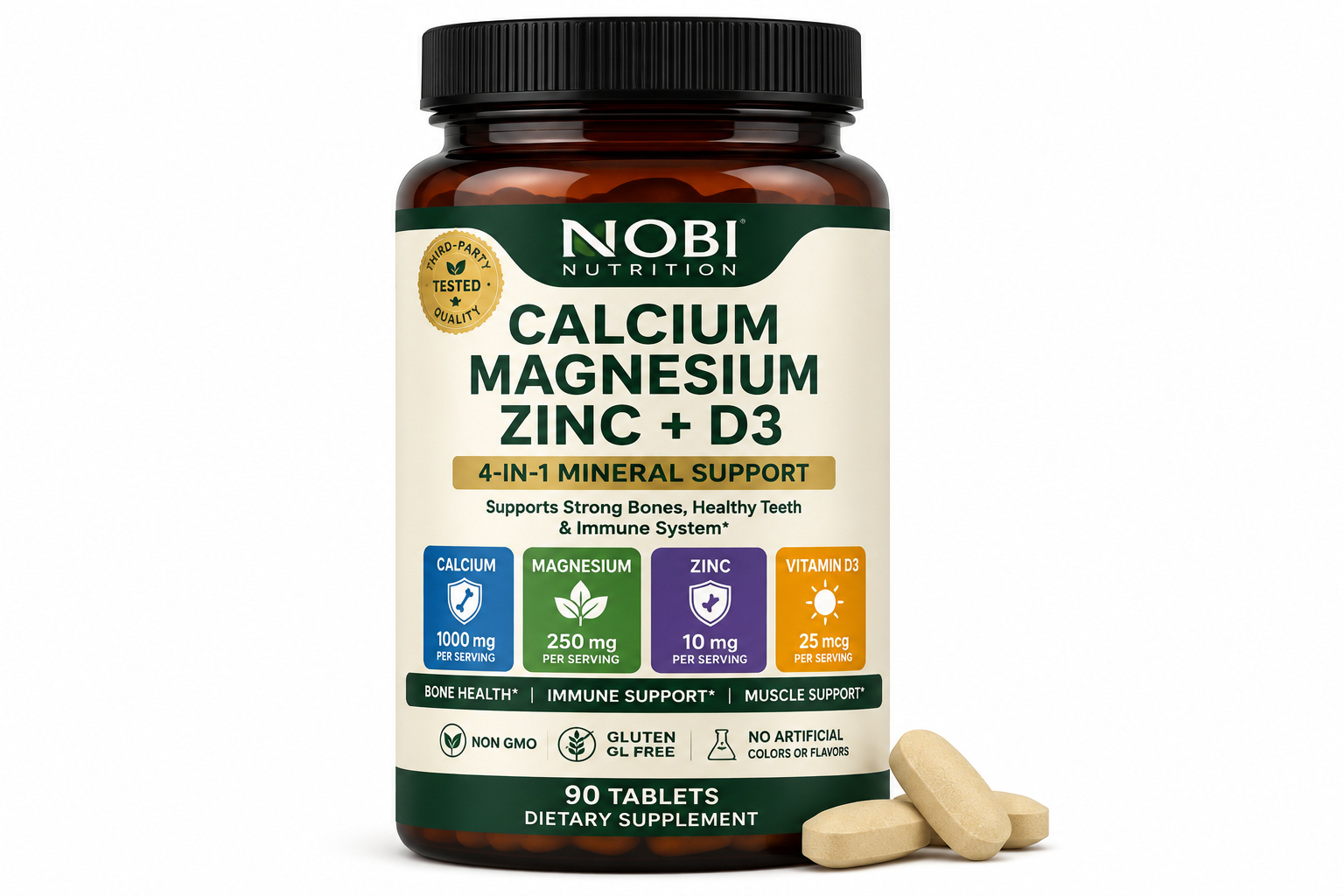
Editorial product illustration. Check current retailer packaging and Supplement Facts.
TAFAT FORMULATION CANDIDATE · Mineral combination
Calcium, Magnesium, Zinc & D3
Combination formulation
A combination mineral formulation that also includes vitamin D3.
Why someone may investigate it
- A reader comparing a multi-nutrient mineral product
- Someone checking several nutrients in one serving
Important consideration: Verify current label for amounts.
View Product & Current Price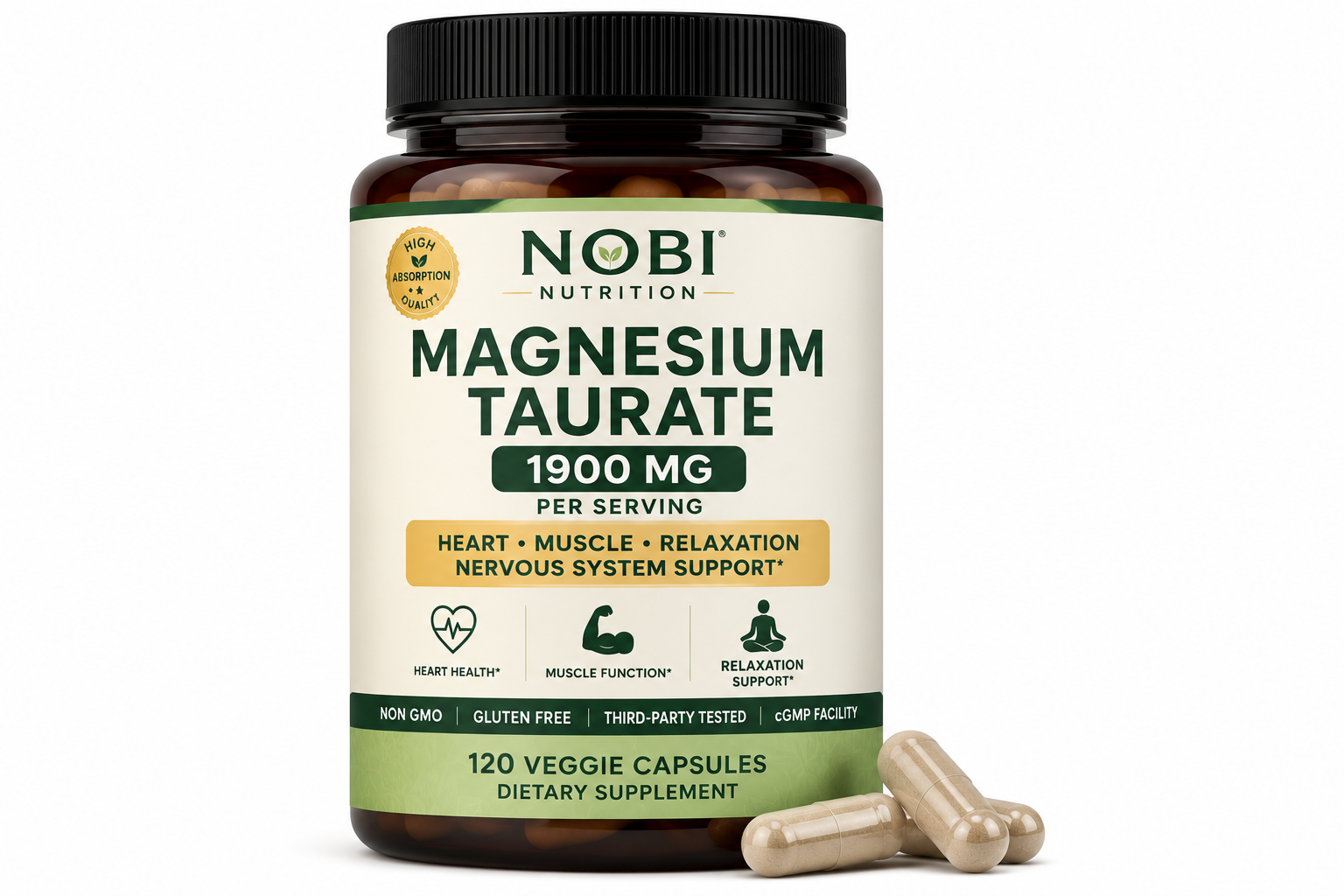
Editorial product illustration. Check current retailer packaging and Supplement Facts.
TAFAT FORMULATION CANDIDATE · Magnesium taurate
Magnesium Taurate
Taurate
A taurate formulation presented with vitamin B6 and BioPerine.
Why someone may investigate it
- A reader comparing a taurate formulation
- Someone checking compound and elemental amounts together
Important consideration: Check the current label for serving size and formulation details.
View Product & Current Price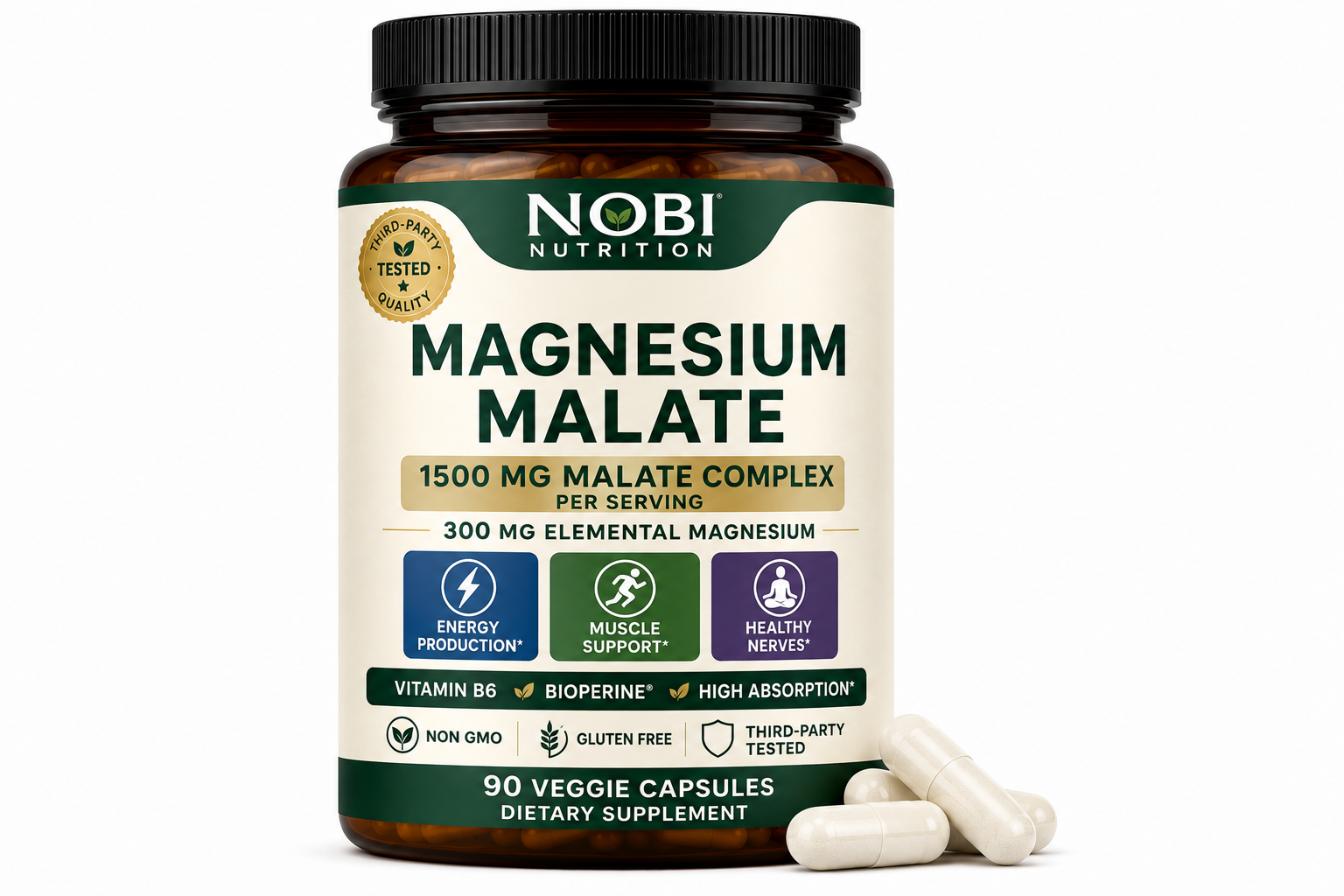
Editorial product illustration. Check current retailer packaging and Supplement Facts.
TAFAT FORMULATION CANDIDATE · Magnesium malate
Magnesium Malate
Malate
A malate formulation presented with vitamin B6 and BioPerine.
Why someone may investigate it
- A reader comparing a malate formulation
- Someone checking compound and elemental amounts together
Important consideration: Check the current label for serving size and formulation details.
View Product & Current Price| Product | Primary magnesium form | Delivery format | Other active ingredients | Elemental magnesium | Best suited to investigate if... | Important consideration |
|---|---|---|---|---|---|---|
| Triple Magnesium Complex | Citrate · Malate · Oxide | Softgels | Citrate, malate and oxide | Not stated here; verify current label | A reader comparing a multi-form magnesium complex | The 600 mg is a complex amount; do not treat it as elemental magnesium. |
| Magnesium Citrate Gummies | Citrate | Vegan gummies | Verify current label | Verify current label | A reader comparing a chewable delivery format | Elemental magnesium status should be verified on the current Supplement Facts panel. |
| Magnesium Glycinate Gummies | Glycinate | Gummies | L-theanine and lemon balm | Verify current label | A reader comparing a gummy glycinate formulation | Verify the current Supplement Facts panel, including the magnesium amount and added ingredients. |
| Calcium, Magnesium, Zinc & D3 | Combination formulation | Tablets | Calcium, zinc and vitamin D3 | Verify current label | A reader comparing a multi-nutrient mineral product | Verify current label for amounts. |
| Magnesium Taurate | Taurate | Capsules | Vitamin B6 and BioPerine | 150 mg per serving | A reader comparing a taurate formulation | Check the current label for serving size and formulation details. |
| Magnesium Malate | Malate | Capsules | Vitamin B6 and BioPerine | 300 mg per serving | A reader comparing a malate formulation | Check the current label for serving size and formulation details. |
Supplement labels and formulations may change. Check current label details, consider total intake from all sources, and ask a qualified healthcare professional about interactions or your circumstances.
Honest Answers to the Questions People Ask Most
Good health decisions often begin with simple questions. Some of these questions have straightforward answers. Others deserve a little more explanation. The goal of this section is not to replace medical advice, but to help you understand what current evidence tells us.
Is it better to get magnesium from food or supplements?
Whenever possible, food should be your first choice. Foods naturally rich in magnesium provide many other nutrients, including fiber, healthy fats, vitamins, and plant compounds that work together within a balanced diet. Supplements can be useful when dietary intake is inadequate or when a healthcare professional recommends them, but they should complement good nutrition rather than replace it.
Which magnesium is absorbed best?
No single form is ideal for every person. Comparative studies generally show that magnesium citrate is absorbed better than magnesium oxide. Magnesium glycinate is also considered a well-absorbed form and is often chosen because it is usually well tolerated. The “best” form depends on why you are taking magnesium, your digestive tolerance, and your overall health.
Is magnesium glycinate the best for sleep?
Magnesium glycinate is widely marketed for sleep because it combines magnesium with the amino acid glycine. Some people report that it helps them, and magnesium may improve sleep in individuals with low magnesium intake or deficiency. However, current research does not prove that glycinate is uniquely superior to other well-absorbed forms for insomnia.
Truth Meter
🟡 Promising
Can magnesium help muscle cramps?
Research has produced mixed results. Magnesium is essential for normal muscle function, but systematic reviews have found little evidence that it consistently relieves ordinary leg cramps in many adults. If cramps persist, it is important to consider other possible causes rather than assuming magnesium is the answer.
Truth Meter
🔴 Not Established
Can I take magnesium every day?
Many people consume magnesium daily through food. Some also take a daily supplement. Whether a supplement is appropriate depends on your diet, health conditions, medications, and kidney function. More is not necessarily better.
Can magnesium interfere with medicines?
Yes. Magnesium can reduce the absorption of certain antibiotics, thyroid medication, biphosphates, and some other medicines when taken at the same time. Always read the product information and ask a pharmacist or healthcare professional if you are unsure about timing.
What time of day should I take magnesium?
There is no universal best time. Some people prefer taking it in the evening because they find it easier to remember or because it fits their routine. Others take it with meals to reduce digestive discomfort. The most important factors are consistency and following any advice related to medication timing.
Can I take more than one type of magnesium?
Some products combine different magnesium forms. Whether that is beneficial depends on the formulation and the reason for supplementation. A combination is not automatically better than a single well-chosen form. Focus on the amount of elemental magnesium and the overall quality of the product rather than the number of different forms included.
How long does it take for magnesium supplements to work?
That depends on why they are being taken. Correcting a deficiency may take time, while digestive effects from magnesium citrate can occur much sooner. For other outcomes, such as sleep or migraine prevention, research often evaluates supplements over weeks rather than days. Patience and realistic expectations are important.
Before You Buy
If you remember only one page from this guide, let it be this one. Before purchasing any magnesium supplement, ask yourself:
1. Why am I considering magnesium?
Is it because of a confirmed deficiency, a healthcare recommendation, or something you read online? Knowing the reason helps determine whether a supplement is appropriate.
2. Have I improved my diet first?
Pumpkin seeds, almonds, spinach, beans, whole grains, and other magnesium-rich foods remain excellent sources. Supplements should support good nutrition, not replace it.
3. Does the label clearly state elemental magnesium?
A transparent label is one of the strongest signs of a trustworthy product.
4. Does the product make extraordinary promises?
Be cautious of claims that sound too good to be true. Responsible manufacturers explain benefits without exaggeration.
5. Is this product right for my circumstances?
Kidney disease, digestive disorders, pregnancy, and certain medicines may all influence whether supplementation is appropriate. When in doubt, seek professional advice.
The TAFAT Trust Score™
This guide introduced the framework we will use when reviewing magnesium supplements and other health products. Every product will be evaluated using the same transparent criteria.
Category Points
Maximum score: 100
A product’s score will always be explained. We want readers to understand why a product was recommended, not simply accept a number.
What We Still Don’t Know
One of the strengths of science is that it continues asking questions. Magnesium research is no exception. Areas that continue to evolve include:
- The long-term effects of magnesium L-threonate on cognition.
- Whether certain forms offer meaningful advantages for sleep beyond correcting deficiency.
- Which people benefit most from supplementation when blood magnesium levels appear normal.
- The role of magnesium in personalised nutrition and precision medicine.
As new, high-quality evidence becomes available, responsible recommendations should evolve with it.
Final Thoughts
Magnesium is not remarkable because it promises miracles. It is remarkable because it quietly supports life every moment of every day. From the heartbeat you never have to think about, to the muscles that allow you to move, to the countless biochemical reactions that keep every cell alive, magnesium is one of the body’s faithful workers. That importance deserves respect. It also deserves honesty. Throughout this guide we have tried to distinguish between what research supports, what remains promising, and what still requires further investigation. Our hope is that you finish this guide not simply knowing more about magnesium, but feeling more confident about evaluating health information in general. Good decisions are rarely made through advertising alone. They are made through understanding. And that is what TAFAT exists to encourage.
Related TAFAT Evidence Guides
Continue your learning with:
- Electrolytes Explained
- Vitamin D: Understanding Deficiency and Supplementation
- Creatine: Evidence, Benefits and Safety
- Omega-3: Fish Oil, Algae Oil and the Science Behind Them
- How to Read a Supplement Label
References
This guide is based on evidence from respected scientific and medical sources, including:
- National Institutes of Health (NIH), Office of Dietary Supplements. Magnesium Fact Sheet for Health Professionals.
- European Food Safety Authority (EFSA). Dietary Reference Values for Magnesium.
- National Academy of Medicine. Dietary Reference Intakes.
- Cochrane Library systematic reviews related to magnesium supplementation.
- Peer-reviewed systematic reviews and meta-analyses indexed in PubMed.
- Professional clinical guidance from organizations such as the American Headache Society where relevant.
Why we used it
Provides regularly updated, evidence-based summaries of nutrient functions, dietary requirements, interactions and safety.
Cochrane Reviews
Why we used them
Systematic reviews that critically evaluate all relevant high-quality clinical trials rather than relying on individual studies.
TAFAT Promise
Understanding comes before buying. If research is strong, we’ll tell you. If research is uncertain, we’ll tell you that too. Our recommendations will always be guided by transparency, evidence, and respect for our readers.
Final Reflection
Final Reflection
The Quiet Mineral
There is something quietly beautiful about magnesium. It does not ask for attention. It does not announce itself with dramatic symptoms when everything is going well. Instead, it works faithfully behind the scenes. With every heartbeat. Every nerve signal. Every muscle that contracts and relaxes. Every cell producing energy. Every breath you take. Most of us will never notice these thousands of silent moments. Yet life depends on them. Perhaps that is one of the lessons magnesium quietly teaches us. The most important things in life are often the ones we rarely see.
- A healthy heart.
- A peaceful night’s sleep.
- Strong bones.
- A clear mind.
- Faithful friendships.
- Quiet acts of kindness.
The strongest foundations are usually hidden beneath the surface.
Knowledge Before Purchase
If you have reached the end of this guide, you may still decide not to buy a magnesium supplement. That is perfectly acceptable. Our purpose has never been to persuade you to purchase something. Our purpose has been to help you understand. Sometimes the best decision is to improve your diet. Sometimes it is to discuss supplementation with your healthcare professional. Sometimes it is to discover that a supplement is unnecessary. An informed decision is always more valuable than an impulsive one.
A Word About Health
No supplement replaces the foundations of good health.
- Nutritious food.
- Regular movement.
- Restorative sleep.
- Managing stress.
- Meaningful relationships.
- Appropriate medical care.
These remain the cornerstones of well-being. Supplements can play a supporting role. They should never be expected to carry the whole weight.
The Humility of Science
One of the most encouraging aspects of science is that it continues asking questions. Researchers do not simply collect facts. They continually test them. Challenge them. Improve them. Sometimes they confirm earlier findings. Sometimes they discover something entirely unexpected. That willingness to learn is not weakness. It is one of science’s greatest strengths. As new evidence emerges, recommendations should evolve with it. This guide will do the same.
Our Commitment
Every TAFAT Evidence Guide is written with one simple commitment.
- To explain what current evidence supports.
- To acknowledge what remains uncertain.
- To avoid exaggeration.
- To respect your intelligence.
- Trust is not built through impressive headlines.
It is built sentence by sentence. One honest explanation at a time.
Thank You
Thank you for giving us your time. We know it is one of the most valuable things you have. Whether you arrived here searching for better sleep, healthier muscles, answers about migraines, or simply trying to understand the many magnesium supplements on the shelf, we hope you leave with something more valuable than a recommendation. We hope you leave with confidence. Confidence to ask better questions. Confidence to read labels more carefully. Confidence to recognize the difference between evidence and advertising. Confidence to make decisions that are right for you. If this guide has helped you do that, then it has fulfilled its purpose.
About TAFAT
Truth Before Commissions
TAFAT was founded on a simple belief. People deserve clear, honest, evidence-based information before spending their money. Every guide we publish is developed from authoritative health guidance, peer-reviewed research, and transparent editorial standards. When evidence is strong, we say so. When evidence is uncertain, we say so. When recommendations change because science has advanced, our guides will change too. Knowledge grows. And so should we.
How We Prepared This Guide
This guide was developed using a structured review of evidence from:
- National Institutes of Health (NIH) Office of Dietary Supplements
- European Food Safety Authority (EFSA)
- Peer-reviewed studies indexed in PubMed
- Systematic reviews and meta-analyses
- Professional clinical guidance where appropriate
Health claims were evaluated according to the strength and consistency of the available evidence rather than marketing language or isolated studies. Every effort has been made to present information accurately and fairly. However, this guide is educational in nature and should not replace personalized medical advice from a qualified healthcare professional.
Version History
Published: August 2026
Major topics included:
- What magnesium is
- Daily requirements
- Food sources
- Comparison of magnesium forms
- Health claims and evidence
- Supplement label guidance
- Safety and interactions
- Frequently asked questions
Next scheduled review: August 2027, or sooner if significant new evidence or clinical guidelines become available.
TAFAT Approved Magnesium Reviews
Coming Soon
We will add reviewed products after completing our evidence-based evaluations.
Download the Free PDF Guide
Prefer to read offline? Download the text-accessible companion PDF — the full guide in a simple, readable form (it does not include the illustrations or designed layout).
Download the Free PDF GuideEnjoyed this guide?
Download future Evidence Guides free.